10 Best Chocolate Packaging Machines for Efficient Production?
The chocolate industry thrives on efficiency and quality, making the choice of a Chocolate Packaging Machine crucial. According to industry expert John Smith, "Investing in the right packaging technology can drastically improve production speed while maintaining product integrity." His insights highlight the importance of innovative packaging solutions in today’s market.
With numerous options available, selecting the best Chocolate Packaging Machine can be overwhelming. Each machine comes with unique features tailored to various production needs. For example, some machines offer advanced sealing technologies that extend shelf life, while others enhance aesthetic appeal through elegant designs. Balancing efficiency with product quality and brand presentation is essential.
Reflecting on the nuances of chocolate packaging, many companies face challenges with machine reliability and workflow integration. It’s not just about speed; consistency and packaging quality are critical. The right machine can streamline operations but requires careful consideration and testing. In an industry driven by consumer demand, making informed choices about Chocolate Packaging Machines is paramount for success.
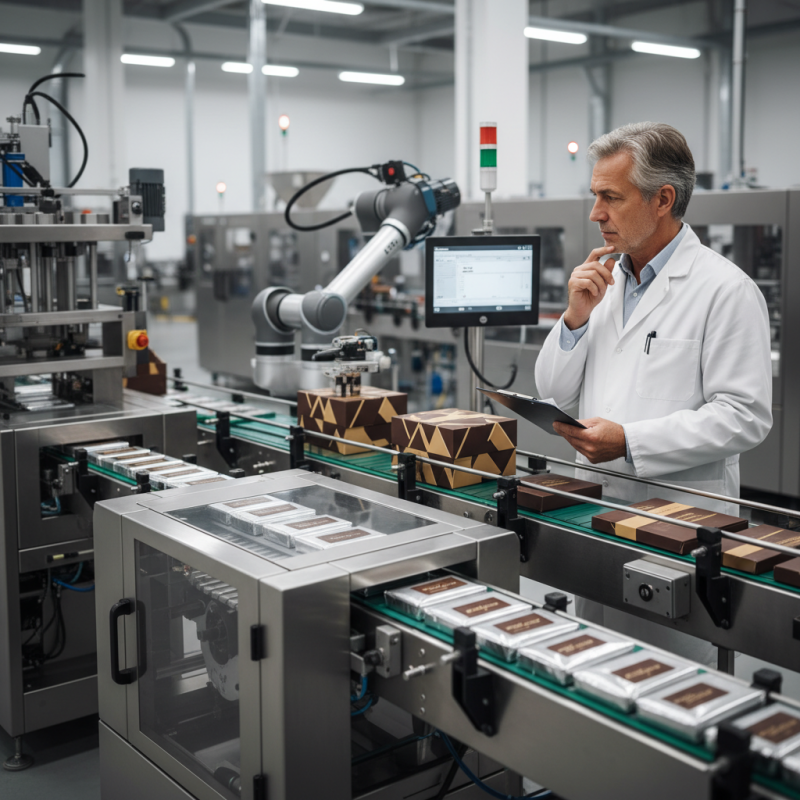
Overview of Chocolate Packaging Machines and Their Importance
Chocolate packaging machines play a vital role in maintaining the quality and freshness of chocolate products. Efficient packaging prevents contamination and extends shelf life. According to industry reports, well-packaged chocolate can retain its attributes for up to 12 months. The importance of using high-quality machines cannot be understated. With the increasing demand for chocolate globally, the packaging process must be efficient and reliable.
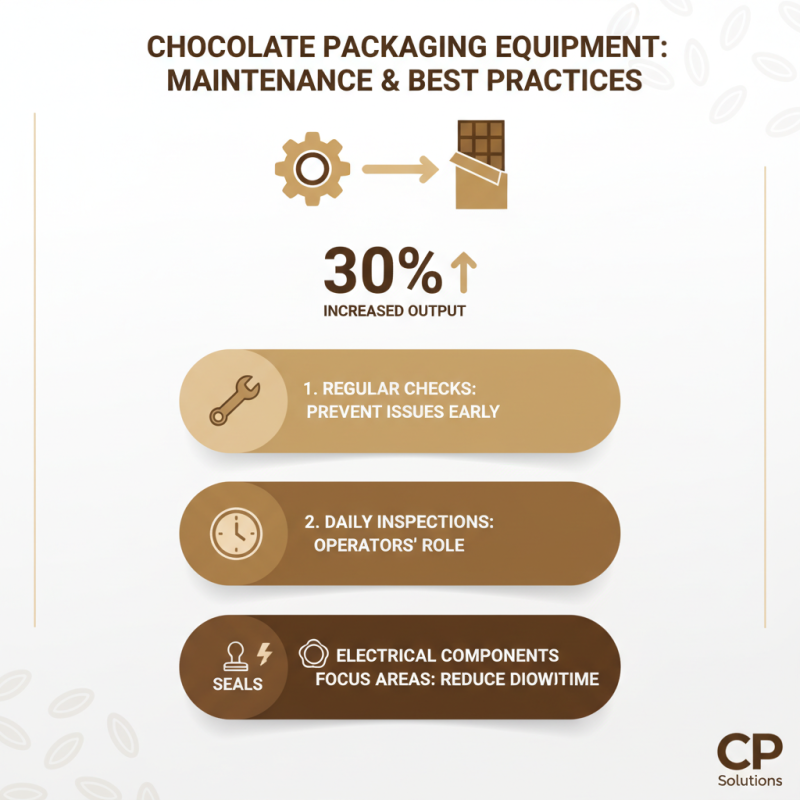
Implementing advanced packaging technology can significantly reduce labor costs and minimize waste. In fact, a recent study indicated that companies using automated systems saw a 30% increase in production efficiency. Businesses should consider their specific needs when selecting a machine. For instance, some chocolate types require specialized packaging to prevent deformation.
Tips: Regularly servicing packaging machines ensures consistent performance. Monitor production rates and adjust settings as needed. Staying informed about new technologies can offer competitive advantages. Packaging not only protects but also enhances the product's appeal. The right machine can provide both functionality and presentation, reflecting the brand's commitment to quality.
Key Features to Consider When Selecting a Chocolate Packaging Machine
When selecting a chocolate packaging machine, several key features are crucial for efficiency. Speed is often a primary consideration.
Machines that offer speeds of up to 300 bags per minute can dramatically enhance productivity. According to industry reports, nearly 70% of manufacturers cite speed as a major factor affecting their output levels.
Next, accuracy in packaging is vital. Precise filling ensures that each package has a consistent amount of product. Inaccuracies can lead to product loss and customer dissatisfaction. Machines with automated weighing systems typically yield over 95% accuracy. This reduces waste and improves profitability, as reports indicate that discrepancies can lead to up to 5% of product loss in packaging errors.
User-friendliness is another important aspect. Operators must be able to adjust settings quickly without complex training. Systems that offer intuitive interfaces tend to reduce training time significantly—often by 30%—allowing for smoother operations. Reliable maintenance and support options are also crucial. Machines that require frequent repairs can hamper productivity, as downtime can amount to thousands of dollars per hour, making the selection process more complex but essential for long-term success.
Top 10 Chocolate Packaging Machines for High-Efficiency Production
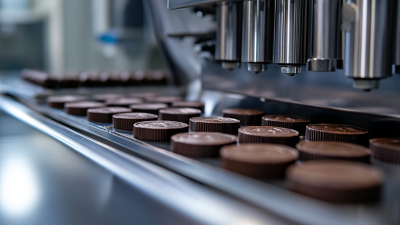
When it comes to chocolate packaging, efficiency is key. The right machine can greatly increase production speed. Various types of machines cater to different needs. This ensures that chocolates are packaged quickly and securely. Many models specialize in flow wrapping and vertical form-fill-seal processes. These machines often have user-friendly interfaces, allowing operators to make adjustments easily.
Some chocolate packaging machines offer flexibility in packaging size. This is beneficial for businesses that produce multiple product lines. Operators may find certain models difficult to maintain, though. Routine maintenance is necessary to ensure smooth operation. The learning curve for advanced features can be steep, requiring training for staff.
The ideal machine should not only focus on speed but also on reducing waste. High efficiency often means examining the entire workflow. Observing how products move from production to packaging can reveal areas for improvement. Investing in technology that enhances both speed and sustainability proves to be essential for modern chocolate businesses. Ultimately, the right machine will depend on the specific production needs.
10 Best Chocolate Packaging Machines for Efficient Production
| Machine Type |
Production Capacity (kg/h) |
Speed (packages/min) |
Power (kW) |
Features |
| Vertical Form Fill Seal |
100 |
40 |
5 |
Compact Design, Easy to Operate |
| Horizontal Flow Wrapper |
200 |
60 |
7 |
Versatile Packaging Options |
| Chocolate Enrober |
150 |
30 |
10 |
Temperature Control, High Efficiency |
| Carton Packing Machine |
80 |
25 |
6 |
Automatic Size Adjustment |
| Shrink Wrapper |
120 |
35 |
8 |
Adjustable Film Roll, Easy Maintenance |
Comparative Analysis of Packaging Types for Chocolate Products
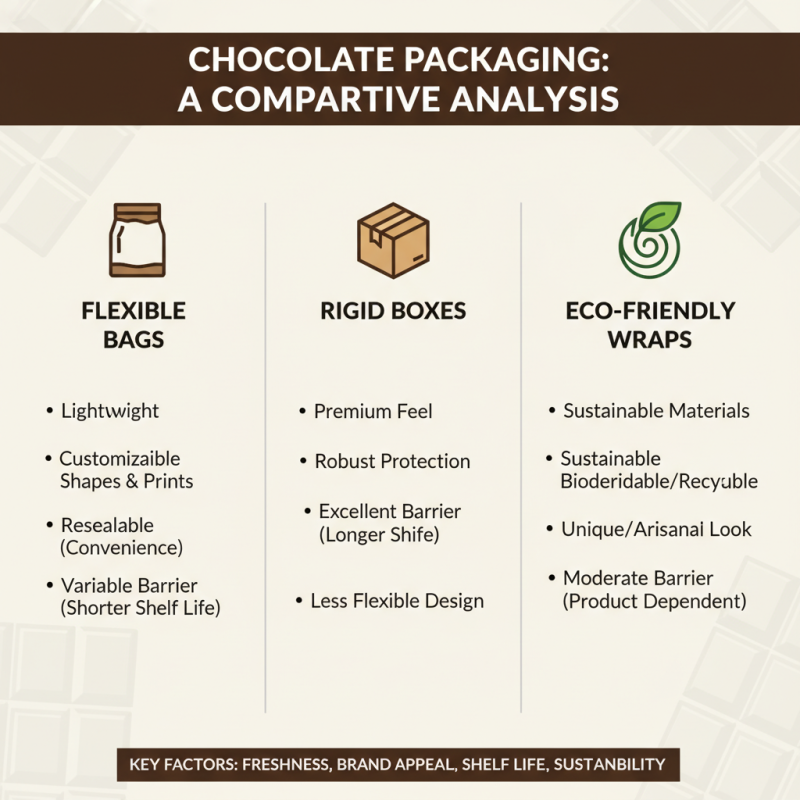
When it comes to chocolate packaging, different types of materials and methods play crucial roles. The right packaging ensures freshness and can enhance brand appeal. Common options include flexible bags, rigid boxes, and eco-friendly wraps. Flexible packaging, for instance, is lightweight and can be easily customized. It often features resealable options, appealing to consumers who seek convenience. However, its barrier properties can vary greatly, affecting shelf life.
Rigid boxes provide a premium feel and robust protection. They can showcase intricate designs, making them perfect for gift items. Yet, these boxes often come at a higher cost and can be less environmentally friendly. Another emerging trend is eco-friendly packaging. Options like biodegradable materials attract environmentally conscious consumers. However, companies may struggle to balance sustainability with cost-efficiency.
Packaging designs also influence consumer perceptions. Unique shapes or features can create a memorable experience. Yet, businesses must ensure that these designs do not impede functionality. It’s essential to balance aesthetics and practicality. Each choice comes with its pros and cons, reflecting the challenges in the chocolate packaging industry. Understanding the nuances of these options can lead to more informed choices.