Best Food-Grade Pulp Insights for 2026 Canton Fair?
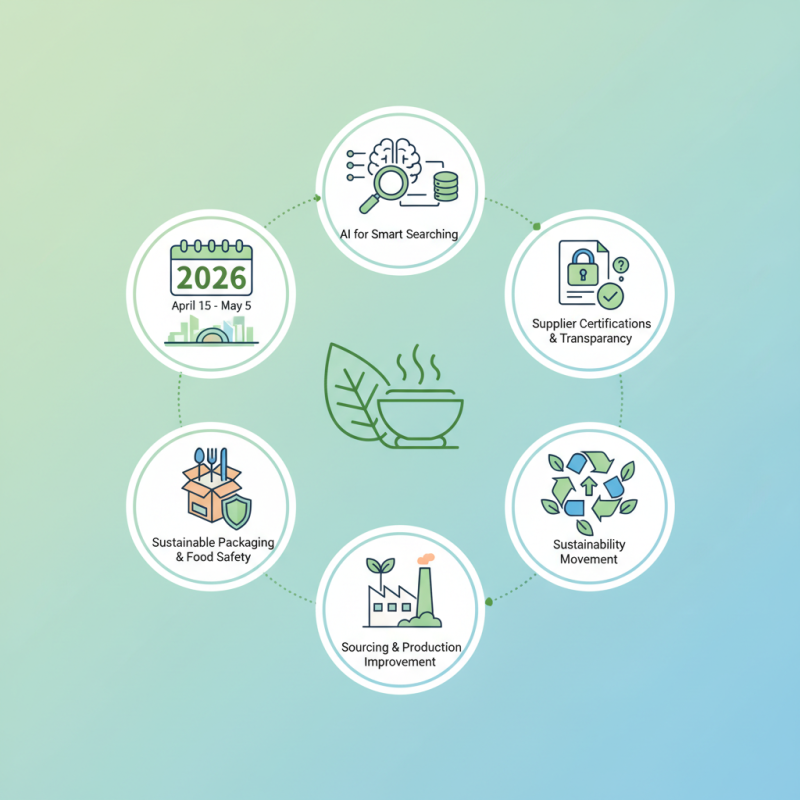
As we approach the 2026 Canton Fair, the focus on Food-Grade Pulp becomes increasingly significant. This material is vital in various industries, particularly in sustainable packaging and food safety. The fair will highlight innovations in Food-Grade Pulp, showcasing manufacturers dedicated to quality and compliance.
At the event, held from April 15 to May 5, buyers will explore advanced technologies and new materials. The use of AI for smart searching will enhance the experience. However, it raises questions about the accuracy and transparency of supplier certifications.
Food-Grade Pulp is not just a material; it represents a movement towards sustainability. Yet, stakeholders must reflect on their practices. Continuous improvement in sourcing and production is essential. As we look toward the fair, it is important to ensure that quality standards evolve alongside the growing demand for eco-friendly solutions.
Emerging Trends in Food-Grade Pulp for 2026 Canton Fair
As the 2026 Canton Fair approaches, the food-grade pulp sector is witnessing exciting changes. This year, manufacturers are increasingly focusing on sustainability. Many are exploring alternative raw materials that reduce environmental impact. These innovations are vital for meeting compliance standards while addressing consumer demand for eco-friendly options.
Another trend is the shift toward functionality. Food-grade pulp is evolving beyond traditional uses. It now enhances texture, adds fiber, and improves nutritional value. This shift is compelling manufacturers to invest in research. They aim to develop specialized grades that cater to diverse food applications. The challenge lies in balancing cost and quality while improving production methods.
However, there are reflections needed within the industry. Supply chain issues can impede progress. Ensuring consistent quality remains a struggle for many. Companies must adapt to fluctuating quality in raw materials. Equally, the market's demand for transparency is rising. It's becoming crucial for businesses to communicate their sourcing stories. The path forward is undeniably complex but filled with opportunity.
Key Players in the Food-Grade Pulp Industry for 2026
The food-grade pulp industry is evolving. Several key players are leading the way. They focus on innovation and sustainability. This growth trend is evident at events like the Canton Fair. The need for high-quality pulp is rising. This demand is driven by both consumer preferences and regulatory standards.
Some companies invest heavily in research. They aim to improve pulp quality and production methods. Collaboration is also essential in this landscape. Partnerships can lead to better resource management. Yet, challenges remain. Not every player adapts quickly to market changes. Some struggle with outdated technologies.
The food-grade pulp sector is complex. Stakeholders should remain vigilant. Emerging trends can reshape the market. Companies must prioritize transparency and ethical sourcing. Maintaining quality is critical. Continuous improvement is necessary for future success. The industry must learn from its past missteps.
Sustainability Practices in Food-Grade Pulp Production
Sustainability practices in food-grade pulp production are becoming increasingly vital. Eco-friendly sourcing of raw materials can make a difference, but many companies still rely on traditional methods. This often leads to deforestation and loss of biodiversity, which is concerning.
Innovative production techniques are emerging. Some manufacturers utilize recycled materials, reducing waste significantly. However, scalability remains a challenge. Many smaller businesses struggle to adopt these practices due to cost constraints and lack of resources.
Consumer demand for sustainable products is rising. Educating consumers about the benefits of food-grade pulp is essential. However, not all products are transparent about their sourcing. This creates confusion in the market. Companies need to foster trust by improving their supply chain transparency, ensuring they meet sustainability standards.
Best Food-Grade Pulp Insights for 2026 Canton Fair? - Sustainability Practices in Food-Grade Pulp Production
| Aspect | 2026 Insights | Sustainability Practice |
| Raw Material Source | Sustainable forestry practices | Certification of FSC (Forest Stewardship Council) |
| Water Usage | 30% reduction in water consumption | Closed-loop water systems |
| Energy Efficiency | 50% use of renewable energy sources | Solar panels installed in production facilities |
| Waste Management | Zero landfill waste target | Composting and recycling initiatives |
| Chemical Usage | 100% biodegradable chemicals | Eco-friendly pulp bleaching methods |
Innovative Applications of Food-Grade Pulp in the Food Sector
Food-grade pulp is gaining attention in the food sector. Its applications are diverse and innovative. This versatile material is derived from natural sources, making it eco-friendly. Many businesses are exploring its potential. They see food-grade pulp as a texture enhancer in various products.
One common application is in plant-based alternatives. Food-grade pulp can improve the consistency of plant-based drinks and snacks. It adds fiber, often enhancing nutritional value. Some chefs experiment with it in recipes. This adds a unique mouthfeel to dishes. It’s an interesting evolution in culinary arts. However, it’s not without challenges. Understanding the right balance is crucial in recipes.
Not all applications have proven successful. The blending process is complex. Achieving the right texture requires testing and adjustments. Some products may not appeal to everyone. Customer feedback can be mixed. This calls for careful reflection and innovation. As the food industry evolves, food-grade pulp will continue to be a topic of exploration. It fosters creativity while presenting unique challenges.
Consumer Preferences Shaping Food-Grade Pulp Products by 2026
As we approach the 2026 Canton Fair, consumer preferences are driving significant changes in food-grade pulp products. More health-conscious consumers prioritize sustainable and eco-friendly materials. This shift is reshaping product development.
One notable trend is the increasing demand for organic food-grade pulp. Many consumers want materials that are free from chemicals. They are looking for products that align with their values. This focus on natural ingredients drives innovation. Manufacturers must adapt to these preferences to succeed in the market.
**Tips:** Consider using renewable resources. Consumers are more likely to support brands that prioritize sustainability. Engage with your audience. Gather feedback on their preferences. This interaction can lead to improvements in product offerings.
Another trend is the growing interest in packaging solutions. Many consumers want solutions that extend shelf life. They prefer packaging that is both functional and environmentally friendly. However, meeting these needs can be a challenge. Testing different materials may be necessary.
**Tips:** Stay informed about the latest technologies. Explore advancements in biodegradable materials. Be open to change and willing to experiment with new ideas. This exploration can lead to innovative solutions.
Consumer Preferences in Food-Grade Pulp Products by 2026