
In the dynamic world of packaging solutions, "Plastic boxes" stand out for their versatility and practicality. Experts in the field, such as Dr. Emily Chen, a renowned packaging specialist, emphasize the importance of quality in this sector. She states, “A plastic box is not just a storage solution; it is a reflection of brand identity.”
As the global market evolves, buyers seek the best options for durability and design. The choices are vast, ranging from clear containers for visibility to robust boxes for heavy-duty needs. Sustainability is also a key concern. Manufacturers are increasingly offering eco-friendly alternatives. Yet, selecting the right plastic box can be daunting. Overlooking details could lead to poor choices.
Plastic boxes must meet various criteria, including size, material, and purpose. Each factor plays a crucial role in usability. Brands must ask themselves: Are we really meeting our customers' needs? The path to finding the best plastic box options requires thoughtful consideration and expertise. Balancing aesthetics with functionality is crucial. Only then can buyers make informed decisions.
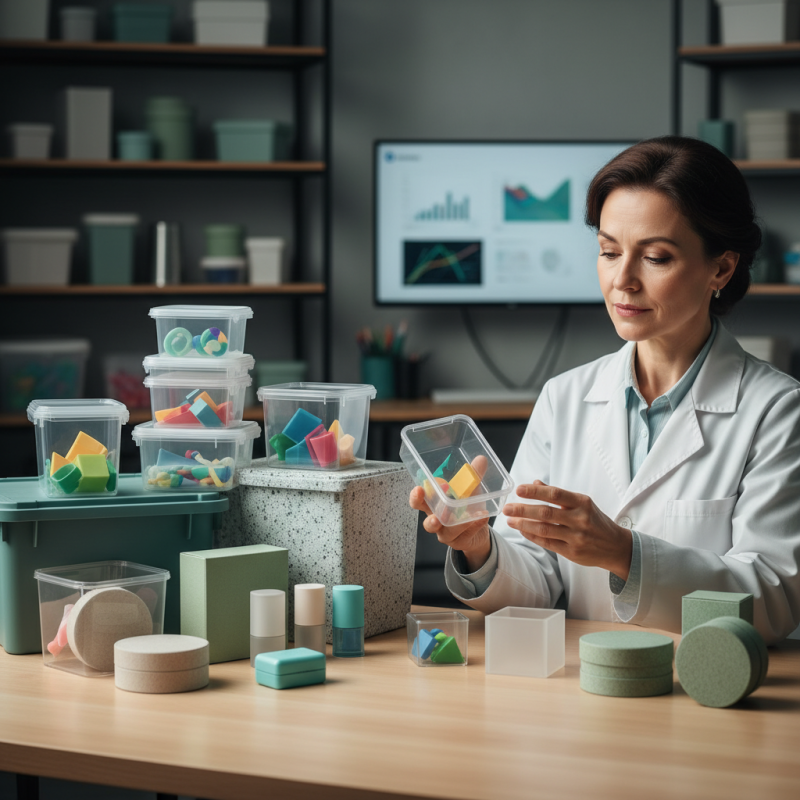
The global plastic box market is experiencing notable growth. As of 2026, it is expected to reach significant milestones in production and consumption. The demand for plastic boxes across various industries, including retail, food service, and healthcare, is on the rise. These containers are valued for their durability and versatility. Many businesses are increasingly opting for plastic boxes due to their lightweight nature and cost-effectiveness.
Key statistics reveal intriguing trends in materials and designs. While traditional plastic remains popular, eco-friendly alternatives are gaining traction. Consumers are becoming more mindful of sustainability. This shift could influence production processes, encouraging companies to innovate. However, challenges remain, such as recycling issues and plastic waste management. Addressing these concerns is crucial for future growth.
Market insights indicate regional variations in plastic box usage. North America and Europe currently lead in market share, but Asia-Pacific is emerging rapidly. Economic factors and consumer behaviors differ across regions. This variability presents opportunities and challenges for manufacturers. They must adapt to local needs while maintaining quality. Stakeholders should remain vigilant and proactive in responding to these trends.
When selecting a plastic box, various factors can significantly impact your choice. The material is crucial. Look for high-quality plastic that offers durability and resistance to impacts. A lightweight box can ease transportation, but ensure it does not compromise strength. The box’s size and shape also matter. Consider the items you plan to store. A well-fitted box can maximize space and prevent damage.
Another factor is the box's transparency. Clear options allow for easy identification of contents. However, opaque designs can provide better protection against UV rays. Ventilation features are essential for items that may degrade in stagnant conditions. Always think about how the boxes will be used. For instance, boxes used in humid environments may need better sealing.
Tips:
When choosing the right plastic box, the material plays a crucial role in its functionality and durability. Polypropylene (PP) is lightweight and resistant to many chemicals. It’s great for storing a variety of items without worrying about degradation. On the other hand, polyvinyl chloride (PVC) is more rigid and waterproof. It's ideal for environments exposed to moisture, yet its rigidity can limit flexibility in design.
Another common option is polyethylene (PE). This material offers a good balance of strength and agility. It can withstand colder temperatures better than other materials. However, it is less heat resistant. Using high-density polyethylene (HDPE) makes boxes even tougher, suitable for heavy-duty applications.
Recycling potential is also important. While many plastic materials can be recycled, not all send the right message about sustainability. Buyers often overlook this aspect when making their choices. Awareness of material sourcing is essential. The right plastic box should blend utility with environmental responsibility, prompting users to reflect on their habits and choices.
Sustainable practices in plastic box manufacturing are crucial for 2026. Many manufacturers are shifting towards eco-friendly materials. The global market for biodegradable plastics is projected to reach $6.9 billion by 2024, according to a recent industry report. This indicates a growing trend among buyers who prioritize sustainability.
Recycling initiatives are also gaining traction. The recycling rate for plastics in Europe is around 34%, but there is room for improvement. Some companies are now utilizing recycled plastics in their production. This approach can reduce overall plastic waste and environmental impact.
Innovations in design are essential for sustainability. Modular designs can enhance product longevity and minimize the need for replacements. Industry experts emphasize the importance of creating durable products. However, challenges remain. Balancing cost and sustainability is often a complex task for manufacturers. As they refine their processes, the demand for sustainable practices will likely continue to rise.
The global plastic box industry is growing rapidly. Various companies hold significant market shares, leading diverse innovations. Understanding these players is crucial for buyers. Companies invest in advanced materials and designs. They also focus on sustainability, which is increasingly demanded by consumers. This evolution affects pricing structures and product availability.
Some key industry players excel in specific sectors. For example, certain firms focus on food storage solutions. Others target industrial packaging. Each company has unique strengths, affecting their market position. Companies must adapt continuously to consumer preferences. While many brands claim sustainability, the reality can vary greatly. Transparency is essential for establishing trust with customers.
Market competition is fierce. New entrants challenge established firms consistently. This environment pushes innovation and can lead to higher quality products. However, not all innovations succeed. Some fail to meet consumer expectations, highlighting the need for careful R&D. Buyers should assess not only designs but also the reliability of claims made by manufacturers. The market is evolving, but challenges remain.