What is Eco Friendly Pharmaceutical Packaging at Guangzhou Fair?
Eco Friendly Pharmaceutical Packaging is gaining significant traction in the healthcare industry. At the upcoming Canton Fair in Guangzhou, which spans from April 15 to May 5, 2026, this topic will be highlighted. The rising demand for sustainable packaging solutions is echoed in a recent report by the World Health Organization, stating that eco-friendly choices can reduce plastic waste by over 30% in the pharmaceutical sector.
Dr. Sarah Li, an environmental packaging expert, emphasizes the importance of this shift, stating, "Sustainable practices in pharmaceutical packaging are necessary for a healthier planet." Her perspective reflects a growing consciousness among manufacturers and consumers alike. As innovations emerge, the industry grapples with creating effective packaging that balances sustainability and functionality.
The Canton Fair's introduction of AI features will enhance supplier visibility for eco-friendly options. Yet, challenges remain, such as the higher costs associated with sustainable materials. As companies innovate to meet environmental standards, ongoing reflection on best practices is vital. The shift towards Eco Friendly Pharmaceutical Packaging is promising but necessitates continued efforts to truly make a difference.
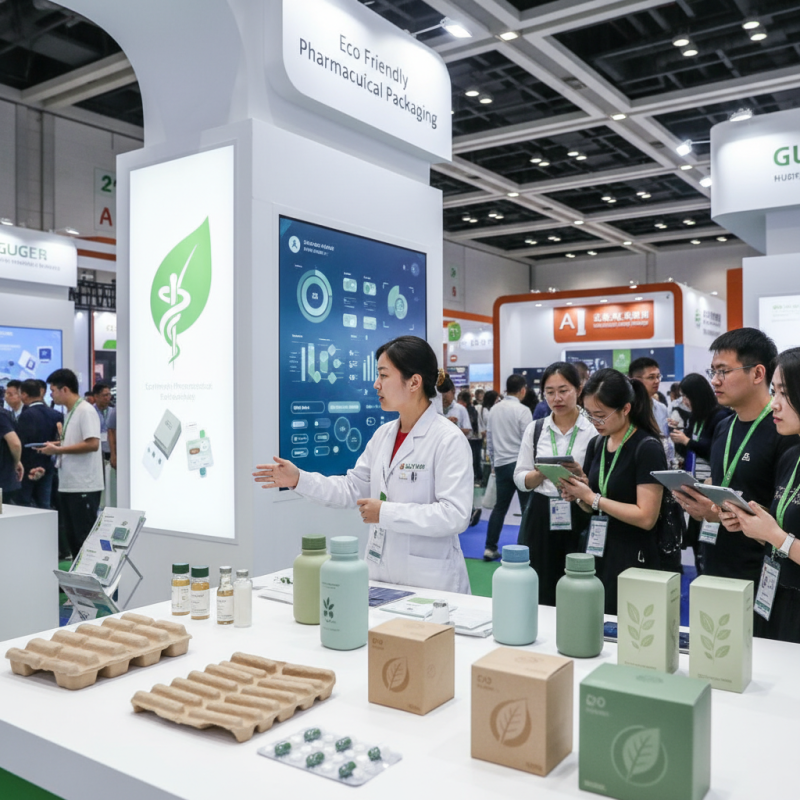
What Defines Eco Friendly Pharmaceutical Packaging in the Industry
Eco-friendly pharmaceutical packaging is gaining traction in the industry. It focuses on materials that minimize environmental impact. Many companies are now exploring biodegradable options. These materials break down naturally, reducing landfill waste. However, the shift isn't simple or straightforward.
There are challenges in ensuring product safety and integrity. Some biodegradable materials may not protect medications as needed. Companies must balance sustainability with effectiveness. It raises questions about the longevity of these eco-friendly options. Are they truly reliable for sensitive pharmaceuticals?
Furthermore, consumer awareness is growing. People are more concerned about packaging waste. They seek products that align with their values. This shift pressures manufacturers to innovate. Yet, the increase in eco-friendly materials can drive up costs. It is vital for the industry to find a middle ground that satisfies both environmental concerns and economic realities.
Eco Friendly Pharmaceutical Packaging Trends
Key Materials Used in Eco Friendly Pharmaceutical Packaging Solutions
Eco-friendly pharmaceutical packaging is gaining attention at the Guangzhou Fair. This approach focuses on reducing environmental impact. Key materials play a significant role in achieving sustainability.
Biodegradable plastics are among the main materials. They break down naturally and reduce landfill waste. Another option is recycled paper. It offers a lightweight alternative and is widely recyclable. Glass is also considered, as it is reusable and can be easily sterilized. However, glass can be heavy, which adds to shipping costs.
Incorporating sustainable inks is another essential aspect. These inks are derived from natural sources and are less harmful. Challenges remain, though. Finding the right balance between protection and sustainability is difficult. Some materials may not provide the necessary barrier against contamination. Discussions around improving these solutions are ongoing. The goal is to ensure packaging is safe while being eco-friendly. Each step taken towards improvement counts.
Environmental Impact: Reducing Waste in Pharmaceutical Packaging
Pharmaceutical packaging has a significant role in environmental sustainability. At the Guangzhou Fair, eco-friendly options are gaining traction. Traditional packaging often contributes to massive waste. The production and disposal of plastic containers lead to pollution. Finding alternatives is critical for a healthier planet.
Several innovative materials can replace harmful plastics. Biodegradable options and recycled materials are at the forefront. They break down naturally, reducing landfill impact. However, challenges remain. These new materials may not always provide the same durability. Manufacturers face the task of balancing safety and sustainability.
Educating stakeholders about eco-friendly practices is vital. Not every company prioritizes environmental impact. Awareness can push more firms to adopt greener solutions. Consumers also need to demand better options. The shift toward eco-friendly pharmaceutical packaging is a collective effort. Every step counts in reducing waste and fostering a sustainable future.
Regulatory Standards for Eco Friendly Packaging in Pharma Sector
Eco-friendly pharmaceutical packaging is becoming increasingly important as regulatory standards evolve. The value of the global eco-friendly packaging market is expected to reach $500 billion by 2027, highlighting a growing trend. Regulatory frameworks are also changing to promote sustainable practices. In the pharma sector, agencies are pushing for packaging that reduces the carbon footprint.
In the past, many companies chose convenience over sustainability. A report from the World Health Organization reveals that nearly 35% of pharmaceutical waste comes from packaging. These outdated practices lead to significant environmental harm. Now, regulators are implementing stricter guidelines to minimize waste and emphasize recycling.
However, challenges remain. Many companies still struggle to meet compliance standards while innovating. The transition to biodegradable materials, while essential, often results in increased costs. This creates a dilemma for small and mid-sized firms. Balancing eco-friendly initiatives with financial viability requires thoughtful strategies. As the sector adapts, continuous reflection on these practices will be necessary to align with evolving regulatory standards.
Innovative Trends in Sustainable Packaging at Guangzhou Fair
The Guangzhou Fair highlights innovative trends in sustainable packaging. Eco-friendly pharmaceutical packaging is gaining attention. Many exhibitors showcase biodegradable materials. These materials can break down naturally, reducing landfill waste.
Sustainable packaging solutions include recycled plastics and plant-based options. These alternatives aim to minimize environmental impacts. However, challenges remain. Some consumers are unaware of these eco-friendly choices. Education is key to enhancing adoption among users.
Design is also a critical focus. Packaging must remain functional while being sustainable. Aesthetic appeal cannot be overlooked. Brands grapple with balancing sustainability and cost. This tension sparks discussions on what true eco-friendliness means in the pharmaceutical industry.
What is Eco Friendly Pharmaceutical Packaging at Guangzhou Fair? - Innovative Trends in Sustainable Packaging at Guangzhou Fair
| Packaging Type | Material | Sustainability Features | Biodegradability | Recyclability |
| Blister Packs | PLA (Polylactic Acid) | Compostable, low carbon footprint | Yes | Yes |
| Glass Bottles | Recycled Glass | Reusable, minimal environmental impact | No (reusable) | Yes |
| Biodegradable Pouches | Plant-Based Films | 100% biodegradable, compostable | Yes | Limited |
| Eco-Friendly Cartons | Recycled Paperboard | FSC certified, recyclable | No (fibers can be reused) | Yes |
| Refillable Containers | Bamboo and Glass | Durable, long-lasting | No (reusable) | Yes |