AC Surge Protection Insights at China Import and Export Fair?
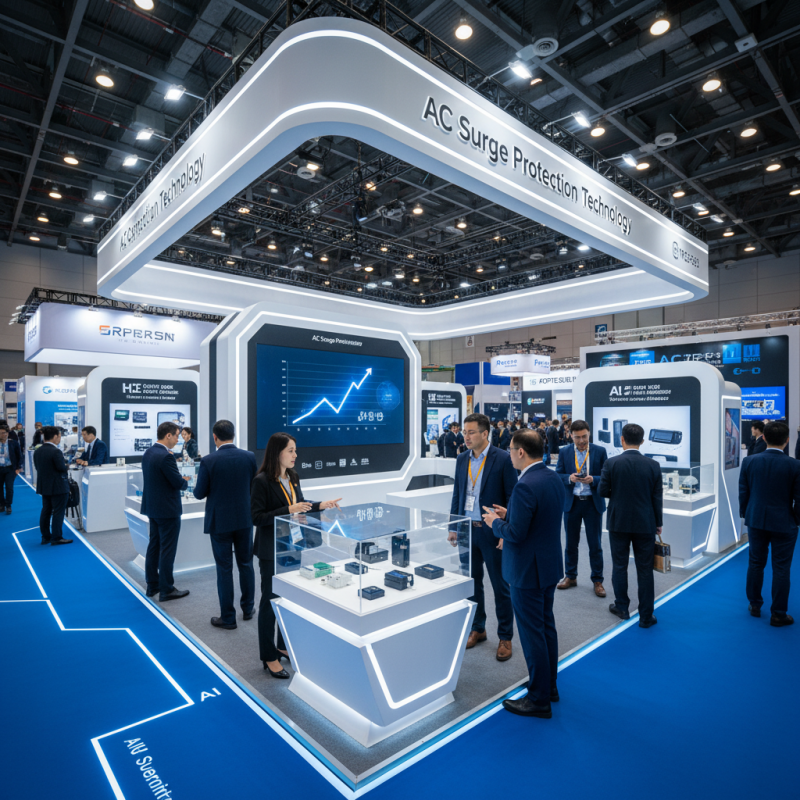
The upcoming China Import and Export Fair presents a valuable platform for AC Surge Protection technology. As industries increasingly rely on electronic equipment, surge protection becomes crucial. According to a recent market report, the global surge protection device market is expected to reach $2.54 billion by 2027, growing at a CAGR of 5.4%. This indicates a rising demand for reliable protection against power surges.
Industry expert Dr. Emily Zhang emphasizes, "AC Surge Protection is vital for safeguarding sensitive electronic devices." With more than 1.55 million square meters of exhibition space, the fair allows for extensive product showcasing. Advanced features such as AI-driven navigation will enhance the experience for buyers seeking certified suppliers.
However, the landscape is not without challenges. Many businesses underestimate the importance of proper surge protection, leading to potential equipment damage and financial loss. Events like this fair are essential for educating industry players about the critical need for AC Surge Protection solutions. Engaging with experts can drive awareness and elevate standards across the market.
AC Surge Protection Overview and Importance
AC surge protection is crucial in today's electronic-driven economy. According to recent industry reports, electrical surges cause significant damage, leading to losses exceeding $1 billion annually. These surges can result from various sources, including lightning strikes and power fluctuations. The need for effective surge protection is growing, especially in sectors heavily reliant on technology.
Proper surge protection minimizes risks. Reports indicate that 60% of businesses experience failures due to inadequate protection. Devices such as surge protectors and voltage regulators play a vital role in safeguarding sensitive equipment. Many organizations overlook this aspect. Consequently, they expose themselves to interruptions and costly repairs.
Understanding the importance of surge protection means assessing current practices. Some companies still underestimate the potential damage from surges. Investing in reliable protection systems can prevent these issues. Surveys show that only 30% of businesses have comprehensive surge protection plans. This gap reveals a critical area for improvement in the industry's risk management strategies.
Key Technologies in AC Surge Protection
The China Import and Export Fair showcases innovations in technology. AC surge protection is one area of focus. It's critical for ensuring the safety of electrical systems and devices. Many visitors are looking for effective solutions that can safeguard their equipment.
Key technologies in AC surge protection include metal oxide varistors (MOVs) and surge protective devices (SPDs). MOVs absorb excessive voltage and protect sensitive components. They act as a barrier during surges, but their lifespan can diminish over time. SPDs are essential for defending entire electrical networks. They redirect excess energy, preventing damage. However, not every SPD is created equal.
The surge protection sector faces challenges. Many users underestimate the need for regular maintenance and upgrades. Technologies must continually evolve to address new threats. A reliable surge protection solution should balance cost and effectiveness. Finding that balance is tricky. Users may need to assess their specific conditions more thoroughly.
Applications of AC Surge Protection in Various Industries
In today's industrial landscape, AC surge protection is critical. Recent studies indicate that equipment damage from surges can cost companies over $1 billion annually. This immense figure highlights the necessity of surge protection in various sectors. The manufacturing industry, for example, relies heavily on machinery that is sensitive to power fluctuations. When electrical surges occur, they can lead to costly downtime and repairs.
Moreover, the healthcare sector faces unique challenges with surge protection. Medical devices, such as life-support systems, must maintain reliability. A study published in the Journal of Electrical Engineering revealed that healthcare facilities lacking proper surge protection experienced up to 25% more equipment failures. This statistic underscores the importance of installing effective surge protection systems in hospitals.
The technology sector is not exempt, either. Data centers are especially vulnerable to surges. Inadequate protection can lead to data loss, affecting thousands of customers. The International Data Corporation estimates that surge-related incidents can reduce productivity by 30%. Implementing robust AC surge protection systems can mitigate these risks, yet many companies still overlook this critical aspect. It's clear that while the importance of surge protection is documented, actions often fall short.
Best Practices for Implementing Surge Protection Solutions
AC surge protection is crucial in today's competitive marketplace, especially in settings like the China Import and Export Fair. The report by the International Electrotechnical Commission highlights that electrical surges cause about 30% of all equipment failures. This data emphasizes the need for effective surge protection solutions. Implementing these solutions can reduce downtime and protect valuable investments.
Best practices for surge protection include assessing potential risks. Many companies underestimate the impact of electrical surges. According to a recent survey, nearly 45% of businesses lack proper surge protection measures. Installing surge protective devices (SPDs) is essential. SPDs should be selected based on load characteristics. It's critical to ensure devices have the right rating for the electrical system.
Regular testing and maintenance of surge protection systems are also important. Some businesses neglect this area, leading to vulnerabilities. Establishing a routine can help identify weak points in the system. Failing to take action can be costly. Reports indicate that companies can lose up to $100,000 per hour during unexpected outages. Therefore, investing in training for staff on surge protection remains vital.
AC Surge Protection Insights at China Import and Export Fair - Best Practices for Implementing Surge Protection Solutions
| Application Area | Surge Protection Type | Recommended Voltage Rating | Installation Environment | Common Best Practices |
| Residential | Type 1 | 120/240V | Indoor | Install near main panel; use grounding system |
| Commercial | Type 2 | 480V | Both Indoor and Outdoor | Ensure proper grounding; regular maintenance |
| Industrial | Type 3 | 600V | Outdoor | Install close to sensitive equipment; use shielded cables |
| Data Centers | Type 4 | 120V AC | Indoor | Consider redundant systems; regular testing |
Future Trends in AC Surge Protection Technologies
The AC surge protection market is evolving rapidly. At the China Import and Export Fair, industry experts predict significant advancements in technology. These innovations aim to enhance electrical safety and performance.
New materials are emerging for AC surge protectors. These materials promise improved durability and efficiency. However, there are concerns about their long-term reliability. For instance, can these new technologies withstand extreme conditions? Manufacturers need to address this issue.
The future may also see intelligent surge protection systems. These systems could offer real-time monitoring and alerts. Yet, the integration of smart technology raises questions about complexity. Will users be able to navigate these advanced features effectively? As the landscape changes, continuous feedback from users will be crucial for improvement.
AC Surge Protection Technologies Trends
This chart illustrates the projected trends in AC surge protection technologies over the next five years. The data highlights the increasing adoption rates of advanced surge protection devices in various sectors including residential, commercial, and industrial applications.