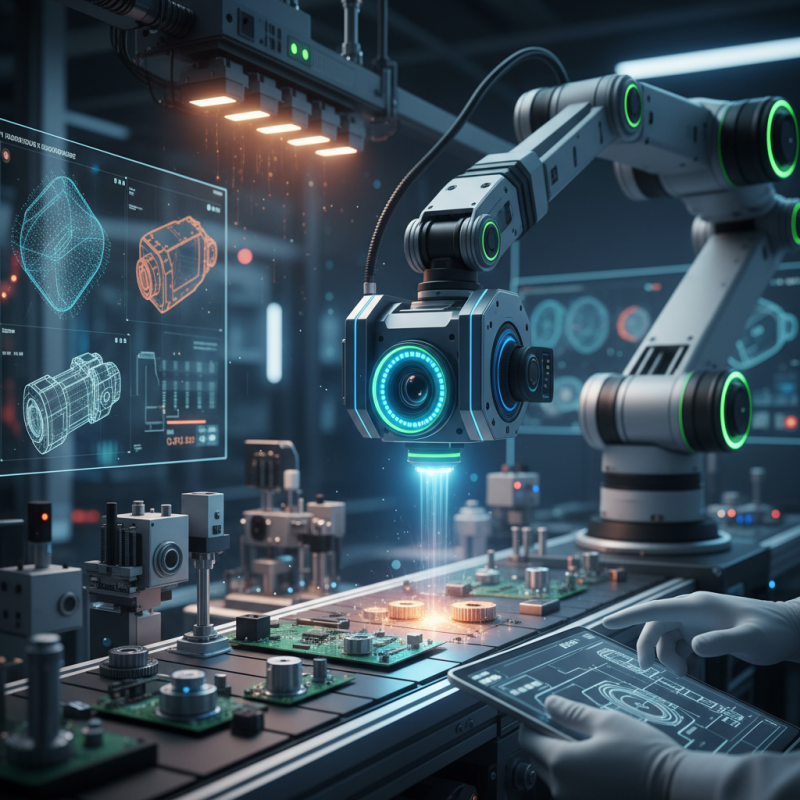
Top 10 Machine Vision Inspection Systems You Should Know?
Machine Vision Inspection is a crucial technology in today's manufacturing landscape. It enhances quality control and reduces human error. With automation on the rise, industries are now leaning toward these systems for efficiency. Yet, not all systems are created equally.
In the world of Machine Vision Inspection, performance varies significantly. Some systems excel in speed but lack precision. Others might offer great accuracy but struggle with processing time. Organizations must question their needs carefully. Each industry has its unique demands.
These inspection systems offer advanced capabilities, but challenges do persist. Adapting to new technology can be daunting. Companies should always seek the best fit for their requirements. Evaluating the top systems can lead to better quality assurance in production. Choosing the right Machine Vision Inspection system is vital for success.
Top 10 Machine Vision Inspection Systems for Quality Control in Industry
In today's industrial landscape, machine vision inspection systems play a critical role in maintaining quality control. These systems enhance efficiency and accuracy in manufacturing processes. They use cameras and software to inspect products for defects and inconsistencies. This leads to reduced waste and improved customer satisfaction.
When choosing a system, consider the specific needs of your production line. Not every system suits all environments. Some may struggle with complex geometries, while others might miss subtle defects. Analyze your product types and production speed to ensure the system you select aligns with these factors.
Tip: Regularly calibrate and maintain your machine vision system. Neglect can lead to inconsistent results.
Another important aspect is lighting. Poor lighting can degrade image quality. Ensure adequate illumination for the most accurate inspections. Experiment with different lighting setups to find what works best for your particular application.
Tip: Engage your team in the evaluation process. Their insights can help identify practical challenges.
Remember, even the best systems require human oversight. An effective quality control process blends technology with vigilant monitoring.
Understanding the Key Technologies Behind Machine Vision Inspection Systems
Machine vision inspection systems are transforming industries. These systems utilize cameras and software to analyze images. They help ensure quality control in manufacturing. The technology behind them is fascinating and complex.
One key technology is image processing. This involves capturing images and analyzing them in real-time. Algorithms are then used to detect defects or anomalies. Machine learning enhances inspection methods by improving accuracy. These systems learn from data patterns, adapting over time.
Lighting plays a crucial role in machine vision. Proper illumination can highlight issues that are otherwise invisible. However, achieving the right balance is often challenging. Too much light can cause glare, while too little can obscure defects. These hurdles remind us that even advanced technology has limitations and requires constant refinement.
Market Trends: Growth Projections for Machine Vision Inspection Systems
The machine vision inspection systems market is experiencing remarkable growth. According to industry reports, it is projected to reach USD 3.2 billion by 2025, expanding at a CAGR of 7.8% from 2020. This growth reflects a rising demand for automation and quality assurance.
Manufacturers are investing heavily in advanced imaging technologies. These systems enhance accuracy and efficiency in inspection processes. However, challenges remain. Integrating these machines into existing workflows can be complex and costly. Many companies struggle with data management and real-time analytics.
The adoption of artificial intelligence in machine vision is a game-changer. It helps in identifying defects more accurately. Nevertheless, the technology is still evolving. Many organizations need to refine their approaches to leverage machine vision effectively.
User training and system calibration are often overlooked in planning phases. Ensuring that staff is skilled is critical for maximizing technology benefits.
Comparative Analysis of Leading Machine Vision Brands and Their Features
Machine vision inspection systems are essential in modern manufacturing. Many brands stand out, each offering unique features. These systems vary in speed, accuracy, and adaptability. Some are particularly strong in image processing capabilities, while others excel in integration with factory automation systems.
One aspect to consider is user-friendliness. Some systems require extensive training, while others offer intuitive interfaces. This difference affects how quickly a team can adapt. Moreover, high-resolution imaging is a common feature, but clarity alone does not guarantee effectiveness. Lighting conditions and the nature of the objects being inspected can influence performance significantly.
Evaluating system reliability is crucial. Some technologies struggle under variable conditions, leading to inconsistent results. A robust system should perform well in diverse environments. It's also essential to examine how well these systems allow for updating or customization. Flexibility in design can be a game-changer for evolving production needs. Overall, a comprehensive understanding of these factors leads to better decision-making in choosing a machine vision system.
Top 10 Machine Vision Inspection Systems Comparative Analysis
Case Studies: Successful Implementations of Machine Vision Systems in Manufacturing
In recent years, machine vision systems have transformed manufacturing processes. They ensure quality control, enhance efficiency, and minimize errors. Case studies demonstrate these systems' impact across various industries. For example, a major automotive manufacturer improved defect detection by over 30% using vision technology. This resulted in significant cost savings and faster production times.
A food processing plant integrated a machine vision system for packaging verification. The result? A 25% reduction in packaging errors. This technology not only improves accuracy but also builds consumer trust. However, it’s crucial to remember that implementing such systems requires a thoughtful approach.
Tips: Assess your current processes clearly before integration. Address any potential gaps in your workforce’s training. Machine vision systems may not automatically solve issues. Continuous evaluation and adaptation of the system to specific needs are essential. A thriving manufacturing environment depends on this blend of technology and human insight.