Top Ozone Controllers to Explore at the 2026 Canton Fair?
At the upcoming 2026 Canton Fair, the focus will turn to Ozone Controllers. Experts in the industry are eager to showcase the latest innovations. “Ozone Controllers play a crucial role in maintaining air quality,” says Dr. Anna Liu, a renowned expert in environmental technology. Her insights highlight the importance of this technology in various sectors.
With the Fair's introduction of AI-driven features, buyers can navigate to specialized Ozone Controller suppliers easily. This shift aims to enhance the efficiency of exploring over 1.55 million square meters of exhibition space. Companies showcasing Ozone Controllers will include those adhering to strict quality standards. This is significant as certifications like ISO and CE are critical.
Despite these advancements, there are challenges in understanding Ozone technology fully. Potential buyers may still have reservations about operational aspects and efficacy. Engaging with experts at the Fair will provide clarity. The event promises to be a hub for innovation while reflecting on areas needing improvement in the Ozone Controller sector.
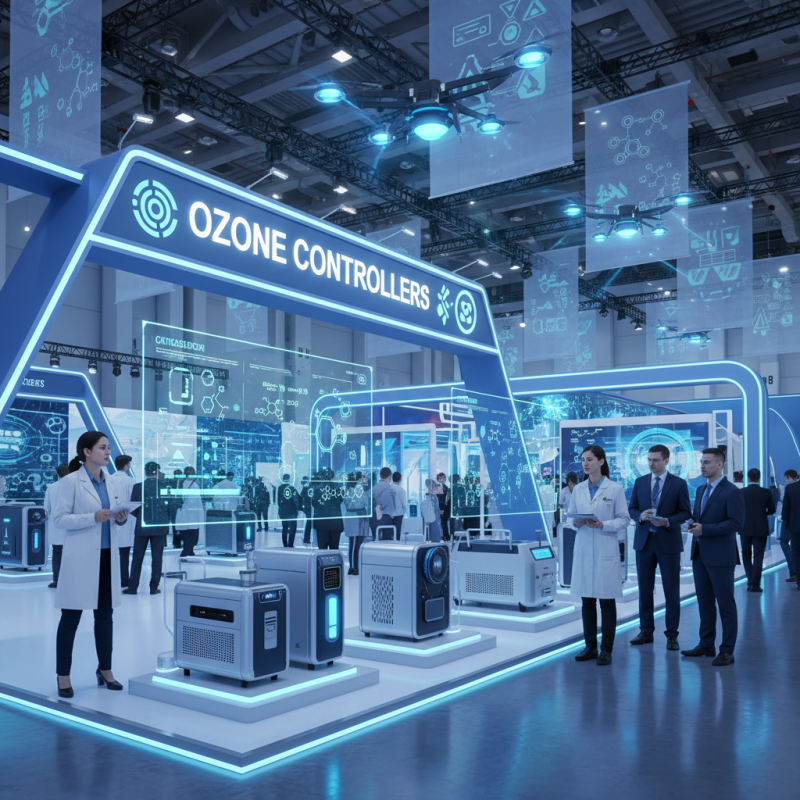
Overview of Ozone Controllers and Their Importance
Ozone controllers play a vital role in various applications. They ensure the effective use of ozone in air and water purification. Understanding how these devices work can enhance their effectiveness. Their importance cannot be overstated. Ozone is a powerful oxidant. It effectively eliminates contaminants in the environment.
Using ozone controllers can lead to cleaner and safer living spaces. In industrial settings, they improve product quality by reducing microbial risks. Additionally, they can help reduce the use of harmful chemicals. This makes processes safer and more environmentally friendly.
Tips: When choosing an ozone controller, consider the size of the area. A controller too small won't be effective. Consider the ozone output. Make sure it meets the demands of your application. Regular maintenance is crucial. Neglect can lead to reduced efficiency. Regular checks can help avoid costly repairs.
Ozone controllers often require user training. It's easy to misuse these devices if you don’t understand them. Some may find the controls confusing, leading to improper use. Always read the manual carefully. Understanding how to operate these devices is essential for their effectiveness.
Key Features to Look for in Ozone Controllers
When exploring ozone controllers at the 2026 Canton Fair, it’s essential to understand key features that stand out. Ozone controllers are pivotal in industrial applications, particularly in water treatment and air purification. They improve overall efficiency and safety in operations. A recent industry report highlighted that the ozone generation market is expected to grow at a CAGR of 7.9% from 2023 to 2028. This trend indicates that quality controllers will be in high demand, emphasizing the need for advanced features.
Look for controllers with precise ozone concentration settings. Accuracy is crucial. Variability in ozone levels can lead to health risks and decreased effectiveness. Systems should offer real-time monitoring capabilities. This ensures that potential issues are caught early. Data logging features also add value, enabling better decision-making based on historical performance. Some studies suggest that up to 30% of ozone-related incidents occur due to equipment failures or inaccurate settings.
Another aspect is energy efficiency. Controllers should not only provide effective output but also minimize power consumption. Investing in energy-efficient models can lead to significant savings. However, some models may compromise on user interface quality. A confusing interface can lead to operational mistakes. This reveals a critical area for manufacturers to improve. The balance between innovation and usability will define the success of ozone controllers in the near future.
Leading Brands Showcasing Ozone Controllers at the Canton Fair
The Canton Fair in 2026 is set to feature a wide range of ozone controllers from leading brands. Ozone controllers play a critical role in various industries, particularly in air quality management and water treatment. According to industry reports, the global ozone generator market is projected to reach $1.5 billion by 2025, highlighting the growing importance of these devices.
Many manufacturers are showcasing their innovations in ozone technology. These controllers not only improve sanitation processes but also enhance energy efficiency. Some reports suggest that ozone systems can reduce energy consumption by 20% when compared to traditional methods. This reflects a significant advancement in environmentally friendly technologies.
However, the adoption of ozone controllers is not without challenges. There is a need for proper user education to ensure safety and effectiveness. Misuse can lead to unwanted side effects, such as ozone exposure. Industry experts emphasize ongoing training and awareness to mitigate risks. As these brands prepare for the Canton Fair, addressing these concerns will be crucial to gaining trust and expanding their market share.
Top Ozone Controllers to Explore at the 2026 Canton Fair
| Model | Ozone Output (g/h) | Power Consumption (W) | Application Areas | Control Features |
| Model A | 10 | 50 | Water Treatment, Air Purification | Remote Control, Timer Function |
| Model B | 20 | 80 | Food Processing, Odor Elimination | LCD Display, Adjustable Settings |
| Model C | 30 | 120 | Industrial Cleaning, Waste Treatment | Smart Sensor, Mobile App |
| Model D | 15 | 70 | Home Use, Spa Treatments | Programmable Scheduler, Remote Monitoring |
Innovative Technologies in Ozone Control Systems
Ozone control systems are gaining traction in various industries. The upcoming 2026 Canton Fair will showcase innovative technologies aimed at improving air quality and environmental safety. These systems use advanced sensors and filters to monitor and manage ozone levels effectively. They can help reduce air pollution in urban areas, ensuring healthier living conditions.
One fascinating aspect is the integration of smart technology. Many systems now connect to smartphones for real-time monitoring. Users can receive alerts about ozone levels near them. However, these innovations are not without challenges. Not every sensor is accurate, and some still require adjustments. Reliability is key in preventing overexposure to ozone, which can have harmful effects.
In addition to smart features, designs for portability are improving. Some ozone controllers are compact and easy to install. They can be used in homes, offices, or vehicles. Yet, with portability comes the risk of misuse. People might place them in areas with poor ventilation. This could lead to higher local ozone concentrations. Balancing usability with safety is critical as technology advances.
Sustainability and Environmental Impact of Ozone Controllers
Ozone controllers are becoming increasingly essential for businesses focused on sustainability. These devices help reduce harmful pollutants and improve air quality. A recent industry report indicates that air pollution is responsible for over seven million deaths globally each year. This alarming statistic drives the demand for effective ozone solutions.
Ozone controllers can significantly reduce volatile organic compounds (VOCs) in indoor environments. The US Environmental Protection Agency suggests that VOC levels can be two to five times higher indoors than outdoors. This highlights the need for efficient air purification systems. Implementing ozone technology may reduce these harmful compounds in various settings, including hospitals and offices. However, the long-term impact of ozone on certain materials requires further assessment.
The cost-effectiveness of ozone controllers also merits consideration. While initial investment can be significant, operational costs may drop due to reduced ventilation needs. Yet, the potential for ozone to affect human health remains a concern. Studies have shown that high concentrations can irritate respiratory systems. Striking a balance between air quality and safety is essential for manufacturers. The environmental impact of ozone generation must also be evaluated carefully.